How to Convert PDF to JPG: Step-by-Step Guide (2026)
Turn any PDF into high-quality JPG images in seconds — right in your browser. A complete step-by-step guide with quality tips, batch conversion, and privacy advice.
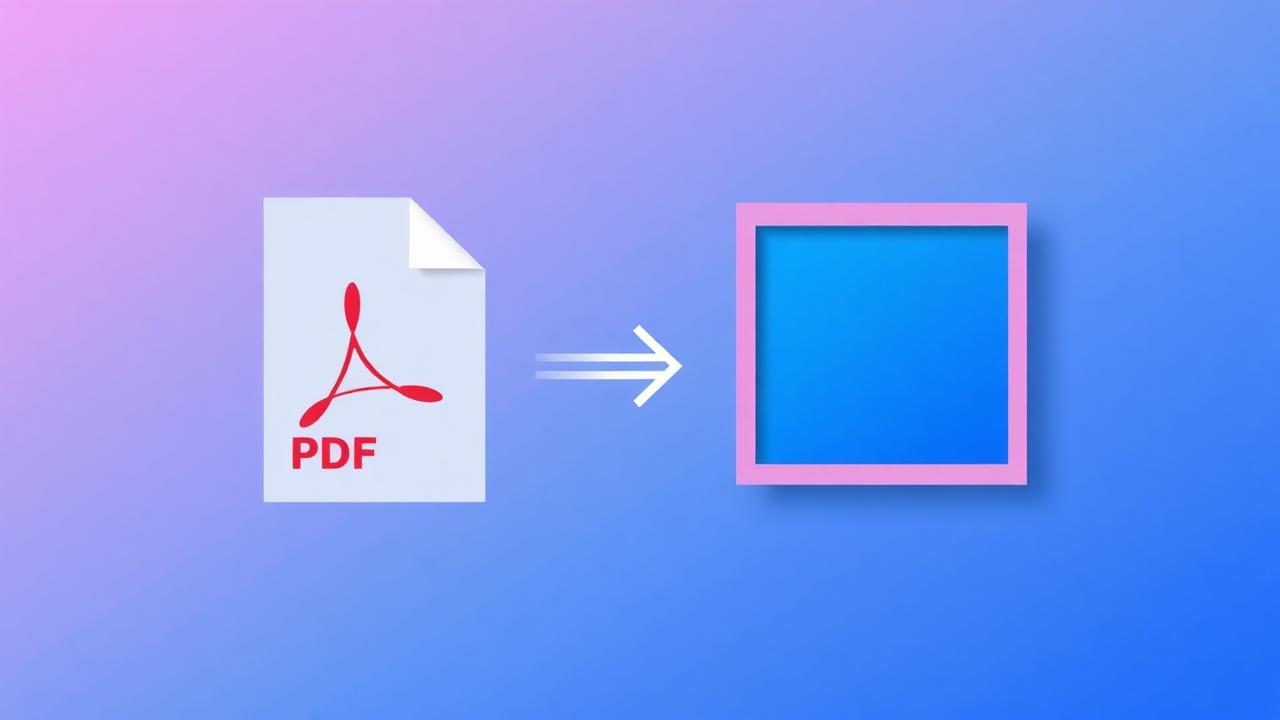
Why convert PDF to JPG?
PDFs are perfect for sharing documents, but they aren't always the right format. You might need a JPG when:
- Uploading a single page to Instagram, WhatsApp, or LinkedIn
- Embedding a page inside a PowerPoint or Google Slides deck
- Sending a quick preview where the recipient doesn't have a PDF reader
- Pulling out a chart, diagram, or invoice as a standalone image
- Posting a worksheet or notice on a school WhatsApp group
- Sharing a specific page of a textbook or manual without sending the whole file
What you'll need
Just a modern browser (Chrome, Edge, Safari, Firefox or Brave) and your PDF file. No software install, no signup, no Adobe Acrobat license. The whole pipeline runs in the browser using PDF.js for rendering and the Canvas API for image export.
Step-by-step: convert PDF to JPG
- Open our PDF to JPG converter.
- Drop your PDF into the dropzone — single file or batch.
- Pick your render resolution. 150 DPI is the safe default; 300 DPI for print quality.
- Choose pages: all pages, a range like 3–7, or specific pages.
- Click Convert. Each page becomes its own JPG.
- Download individual JPGs or grab them all as a ZIP.
Picking the right DPI
DPI (dots per inch) controls how sharp the JPG looks. Higher numbers mean larger files and crisper detail.
- 72 DPI: Smallest files. Fine for thumbnails or web previews where the JPG will be displayed at a small size.
- 150 DPI: The default sweet spot. Looks great on every screen, including retina displays.
- 300 DPI: Print quality. Use when you'll print the JPG, or when fine text needs to remain readable at 100% zoom.
- 600 DPI: Overkill for almost every use. Only useful for archival or specialty printing.
Tips for the best output
- Use 90% JPG quality as the default. It's visually identical to lossless on photographic content and 2–3× smaller.
- Render at 2× DPI if your PDF has small text — it'll stay crisp when zoomed.
- Use PNG instead when your PDF page has fine line art, screenshots, or transparency you want to keep. Our PDF to PNG tool handles this.
- Compress after if you need to email the result — JPGs from PDFs can be larger than expected. Use our image resizer with a KB target.
Batch conversion
Need to convert dozens of PDFs at once? Drop them all into the dropzone together. Each file converts in parallel using your CPU, and you'll get a single ZIP with every JPG inside, organised by source PDF. We've tested batches of 100+ files; the only ceiling is your device's RAM.
Privacy: why this matters
Most "free" PDF-to-JPG converters upload your file to a remote server. That's fine for a public flyer, but risky for invoices, bank statements, contracts, or ID scans. Browser-based conversion keeps everything on your device — open DevTools and you'll see zero outbound requests for your file data. We covered the wider story in Why Browser-Based Conversion Is Safer.
Going the other direction: JPG to PDF
The reverse is just as common — packaging photos of receipts, IDs, or handwritten notes into a single PDF for upload. Use our JPG to PDF converter; drop your JPGs in, optionally reorder them, and download a combined PDF.
Common scenarios
- Sharing a single page on social media: render the page at 1080px wide; that's the magic Instagram size.
- Embedding in a slide deck: 150 DPI is enough; PowerPoint compresses harder than that anyway.
- Sending a homework page to a tutor on WhatsApp: 150 DPI, JPG, then compress to under 500 KB if mobile data is slow.
- Extracting an invoice for an expense report: render at 300 DPI to keep the totals readable.
FAQ
Will I lose quality? JPG is lossy, but at 90%+ quality the difference is invisible to the eye on rendered PDF pages.
Does it work on phones? Yes — the converter runs in mobile Safari, Chrome, and any modern mobile browser. iPhones can share directly from Files into the converter.
What about password-protected PDFs? Unlock the PDF first (your PDF reader can re-save it without the password), then convert.
What about scanned PDFs? They convert fine — but if you want searchable text, run OCR first.
How big can the PDF be? Bounded by your device's RAM. 100+ MB works on modern laptops; large files just take longer to render.
Ready to go? Convert your PDF to JPG free — instant, private, no signup required.
Keep learning
If you found this useful, a few related guides go deeper on adjacent problems: our file-format reference covers when to pick which format, why file conversion matters in 2026 puts the bigger picture together, and why browser-based conversion is safer covers the privacy architecture every tool on this site is built around. For everyday image work, the image resizer and full converter index are the two pages most readers bookmark.
About this guide
This article is part of the OnlineFileConverter editorial library — practical, vendor-neutral writing on file formats, conversion workflows, and digital privacy. Every recommendation here is something we'd give a friend, not a sponsored placement. Our editorial standards page covers how we update articles, who writes them, and how we handle advertising. If you spot something out of date or want a guide on a topic we haven't covered, tell us — we read every note.
Related converters you can try right now
The three tools below are the ones most readers of this guide reach for next. All free, all browser-based, no signup.
- PDF to JPG converter — One-click export of every page as a JPG.
- PDF to image (PNG) — Need lossless output? Export to PNG instead.
- PDF splitter — Pull a single page out before converting to image.